
Debs Howard
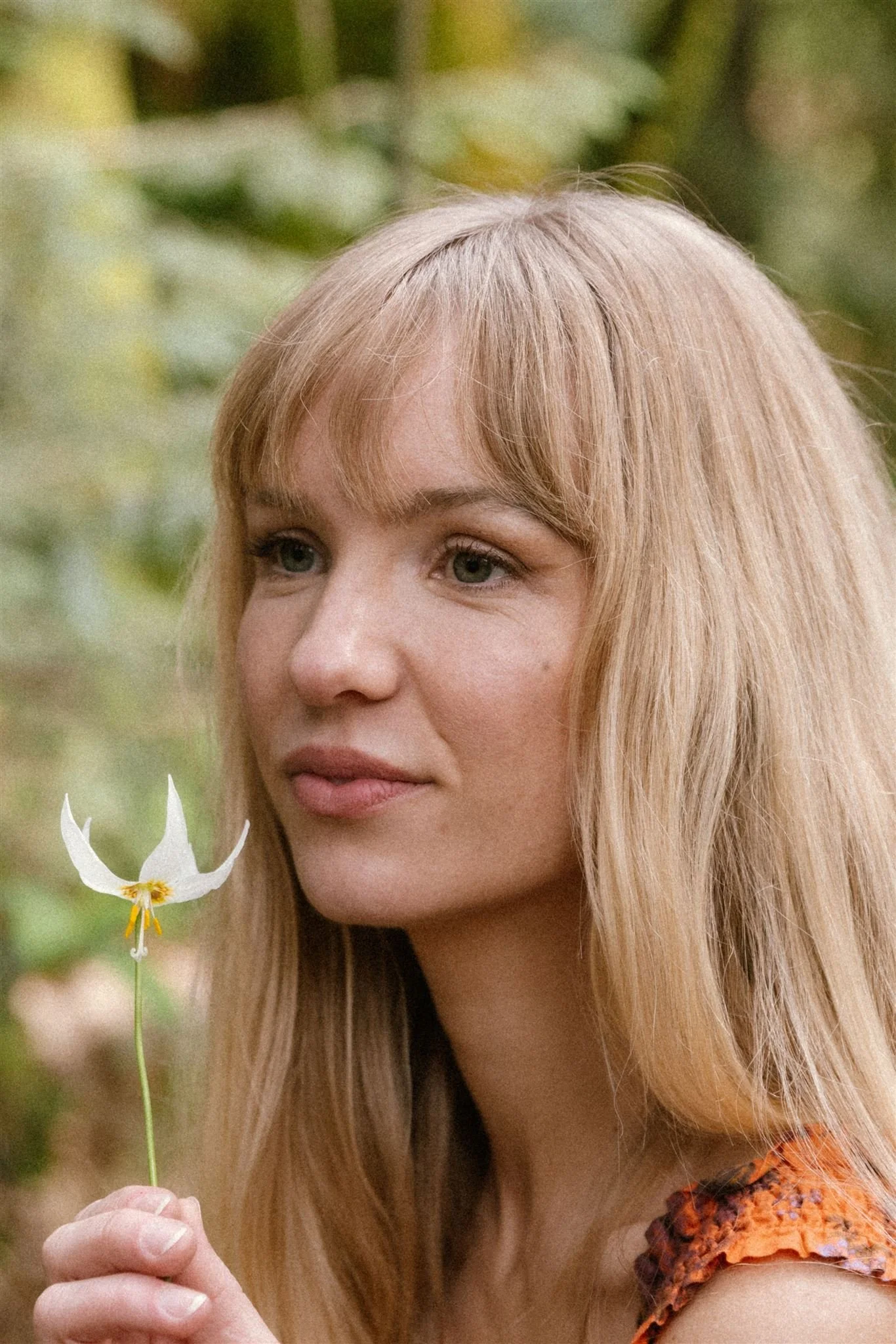
Debs Howard
on Die, My Love, postpartum, and the honor of being an artist
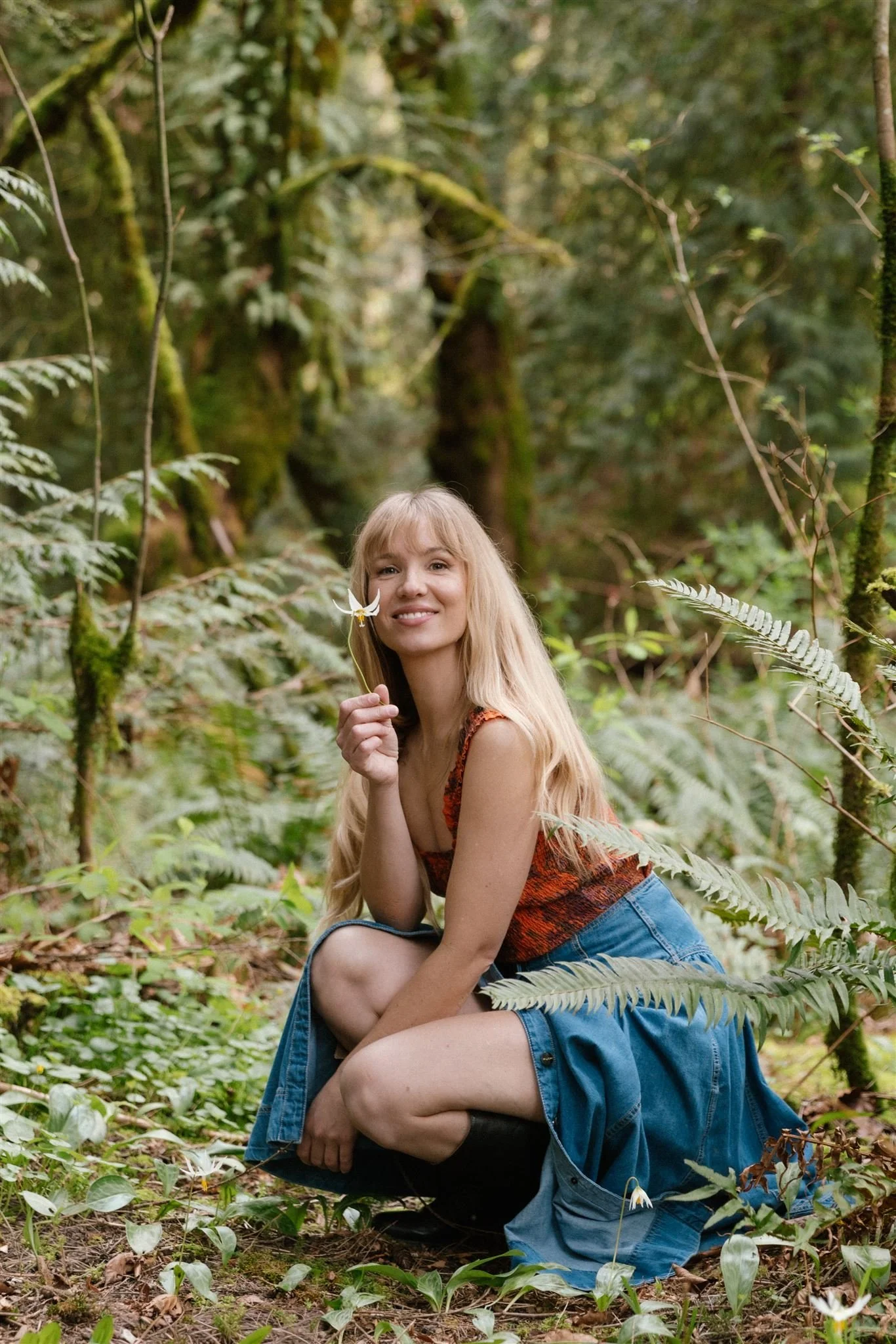
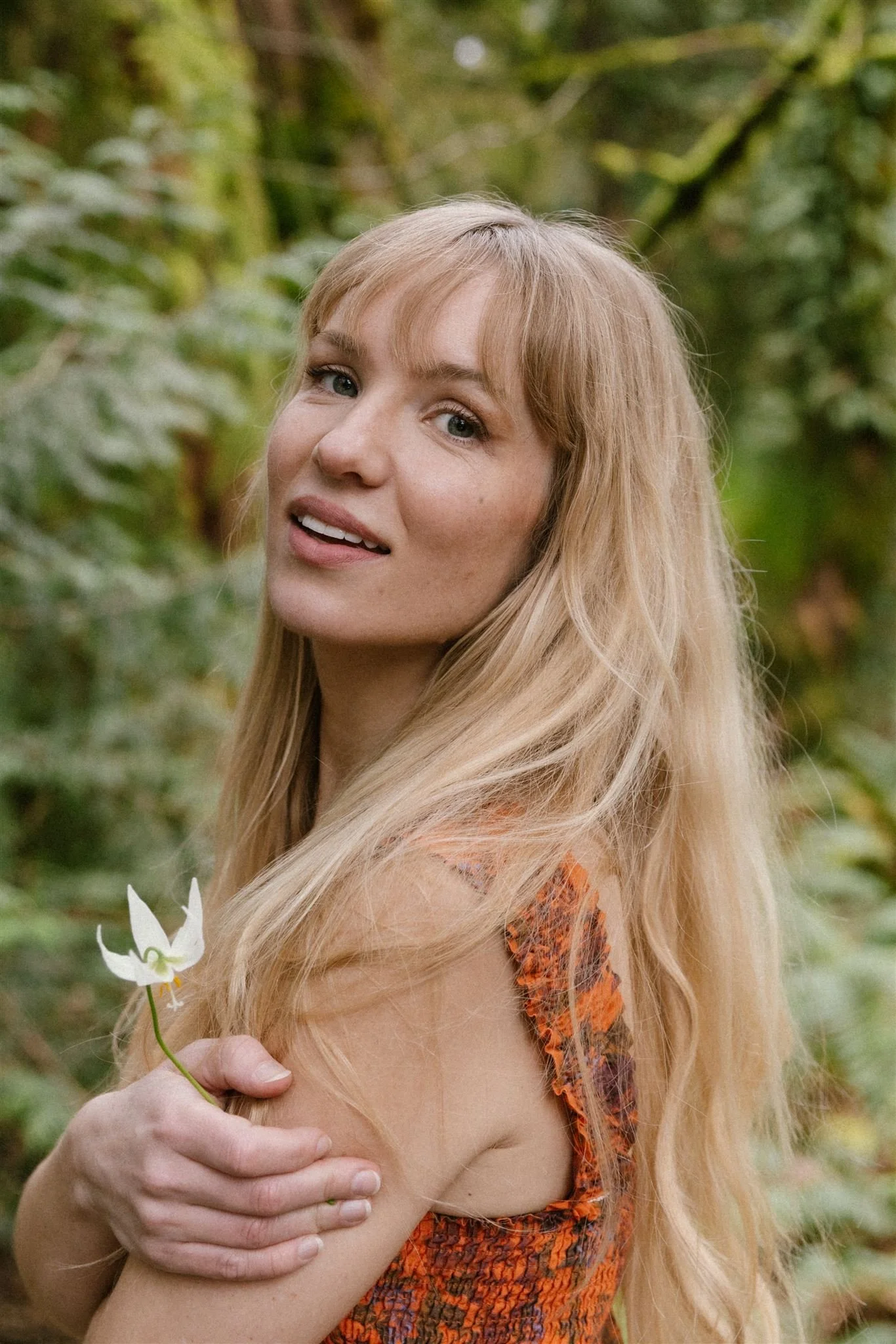
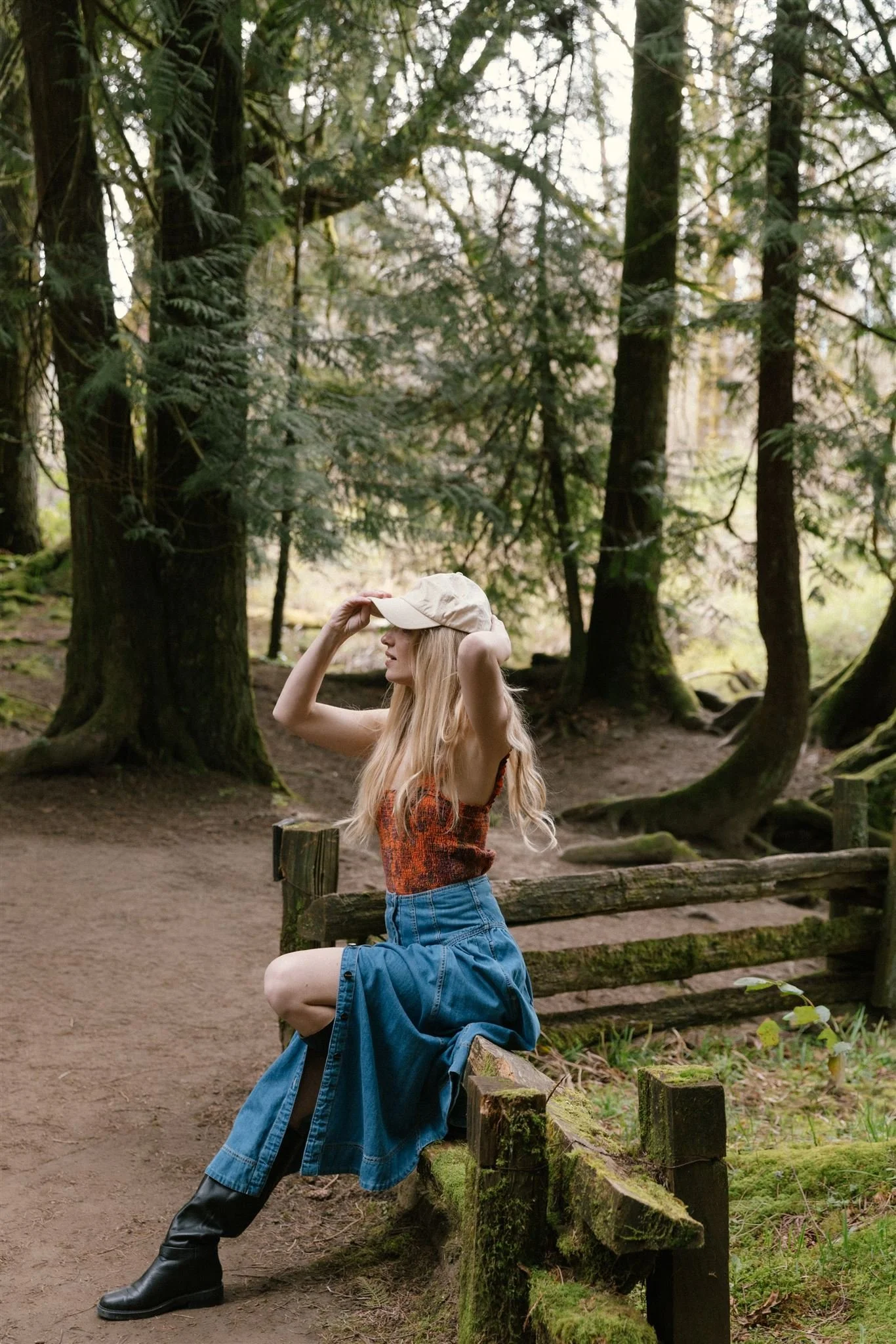
A lot of what I do for l’Odet is an act of hope—sitting down with someone I never would have met otherwise and trusting that a question will land, that something unexpected will surface between us. My conversation with Debs Howard, who appears in Lynne Ramsay’s Die, My Love, was one of those rare moments where that hope felt immediately repaid. What began as a discussion of the film’s grittier emotional themes opened into something more expansive—drifting between craft, motherhood, and the strange, beautiful alchemy of creation itself. I always know when I am talking to a mother—someone who seems to carry an understanding of how to live in this world, in the way Mary Oliver describes: “to love what is mortal; to hold it / against your bones knowing / your own life depends on it; and, when the time comes to let it go, / to let it go.” Thank you to Debs and her team for coordinating such a lovely conversation, and to Paige Owen for these incredible photos. — Cariann, 2026 ◇
〰️
Cariann Bradley: I watched Die, My Love this past weekend and was able to dig into it a little bit and wow, it was really powerful. Marsha was such an interesting character. Do you think you could talk to me about what that day-of experience was like?
Debs Howard: It was interesting because on the day I showed up to set, Lynne Ramsay, the director, actually handed me a new script. So, Jen [Lawrence] and I both were quickly trying to learn the lines for the new scene. What you end up seeing is actually kind of a mix between what they got us to film for the older version and the new version that they handed to us on the day.
In terms of logistics, that was an interesting hurdle. But Jennifer Lawrence is so great—she's so collaborative and just humble and cool. So immediately she's like, “Do you want to just sit down and learn these lines?” And you kind of expect, I don't know, someone of that caliber to know everything immediately already. It was really nice, you know, to just be like, "Okay, let's just work it through together." It was great. And the way that I kind of wanted to play Marsha was I wanted to to give her a bit of a journey. I wanted Marsha seeing the struggle and relating to the struggle in Grace because it's a struggle that most moms, I think, have gone through where you just feel like you're flailing. And I think Grace looks the same as she's feeling in that scene. Whereas my character presents as really put together and that Stepford-wife type of vibe. But I wanted to make her more human than that.
Cariann: A couple of things come to mind. I'm not an actor, so I sometimes forget that there are so many versions of a project. It's like the version when it’s written, the version that you film on the day, and then the version that you get from the edit, from what I hear. It's so crazy that no one would even know that there's been this switch up between what you were preparing to do and what happened on the day.
Debs: Oh, totally. Yeah. And then what is edited is a mix of the two. It was really cool. And even some of it was left out. I think in the first screening that I watched in Cannes, the whole scene was a bit longer and a bit funnier; they just left a little more of the cat-and-mouse in it. And so she gets a couple shots in, I get a couple more shots in—they ended up taking some of that out of the wide theatrical release.
Cariann: It's interesting that you talk about wanting to bring that humanity into the character because it's what I was expecting when I saw you on the screen. At first I was like, "Oh, it's just going to be this big miscommunication,” but it didn't feel dismissive at first, the communication between the two characters. So, I think that that really came through that you were trying to relate, but how we talk about that on the surface is sometimes just so missed.
Debs: Thank you. I'm really glad to hear that it came through because I do think people can read it in so many different ways. But that's kind of the beauty about this entire movie. It's poetry in cinema—where nothing is incredibly expository, nothing is obvious. That's part of what is so wonderful about Lynne's filmmaking: there's so much that’s open to interpretation from the viewer. If some people saw it one way and some people saw it another way, that is just so interesting and indicative of their own experience.
I love hearing everybody's viewpoints of what they took from the movie, even how they interpreted the ending. I've seen it a few times now and every time I watch it, I get more from it. Having been in it and to still be able to garner more information is so interesting and it makes me wonder if it's more about me or more about the filmmaking, you know?
Cariann: I've been thinking about that a lot recently, actually. I'm a writer and I do writing on the side. And art is supposed to be this, like, hyperbolic situation that you can extrapolate something from and apply to your life. For example, this movie, it says a lot about motherhood and postpartum and kind of how Grace's character is how a lot of people feel on the inside, but she’s putting it on the outside.
I just find that fascinating about movies and books; we are really trying to effectively dramatize something to the point where people can say, "Oh, I have felt this way." We do understand what that feels like because we wouldn't think about it if it wasn't this in our face. Does that make sense? [Laughs]
Debs: Absolutely. And I think that is what made this movie so beautiful and, potentially, uncomfortable for people. It's the beautiful and kind of empathetic way a lot of people felt seen. People who had gone through either depression or her mental illness, some people called that postpartum psychopathy, some people called it postpartum depression, anxiety… So, if you’ve felt anything in that world, then I think it made you feel seen and understood.
And that makes me want to cry because I have definitely felt that way as a mother and so much of it can't be explained in words very well. To just watch someone experience it is really powerful. Even Jennifer Lawrence has said in interviews that she's gone through her own struggles with postpartum, and it was so vulnerable of her to just really be raw and open in that movie; allow it to bleed out because it is incredibly uncomfortable. I’ve heard that it's also made a lot of husbands be like, “I am so sorry. I didn't understand what you were going through or how you were trying to explain it to me.” They have to kind of see it in another way.
I think it's given comfort to people, but also made a lot of people incredibly uncomfortable, and if you haven't had experience with a mental health challenge, then you might not be able to relate to the movie at all.
Cariann: Before I saw the film, I was seeing a lot of commentary online of people walking out of the theater and all these things. This is also something I've been thinking about lately—I know life experience affects this so much—but the idea of looking at something with fear versus curiosity. I think it's just so easy for someone to feel uncomfortable and need to turn the other way. But for the people that feel seen by that… that is just the most powerful form of art, because it shows the ugliness of humanity and of our experiences.
I want to view things with curiosity, you know? Like, I want to be that person that doesn't walk out of something.
Debs: And to see what you can learn from it, because we can all learn from other people's experiences whether we've had them ourselves or not. It's developing empathy, I would hope, which I think the whole world could use a lot more of right now.
Cariann: That's something I loved about watching this film, and one of the reasons why I love reading books, because, you know, you're exercising that muscle of empathy and putting yourself in someone else's shoes and experiences that you've never had before which is, to me, the point of art.
Debs: Yes, I think so too. To just bring the world together in a way that you kind of can't do otherwise. Art is so important and it's so soulful and with technology and convenience and everything that we have at our fingertips today, I think we lose a lot of soul. Being able to touch someone else's soul brings our own soul to life a little bit—it is so important and creates community in a way.
Cariann: One hundred percent. Was there conversation on set about motherhood or did anything come up for you as a mother yourself that you found interesting?
Debs: Oh yeah. My character even says, “I have two kids and two is hard,” and I do have two kids and two is hard. It may as well have been a documentary. [Laughs]
Jen was pregnant when we were filming and so we talked about that and how things change from one child versus two children. Just kind of the joy but also the hardship—the real struggle of it. I think everything that this movie is about is so true to life in that way. For me, personally, when I had my first child, my son, I was just trying to figure out what life meant all of a sudden because the person I was before children—I'll never be that person again.
It changes you fundamentally on a cellular level. Your priorities shift, your perspective shifts. I mean, everything is, all of a sudden, different. And I went through a huge period of mourning. I don't know if that is how everyone feels and if that is, you know, postpartum depression or not, but I absolutely struggled with not being ready to let that person go, because I had a lot of fun before kids and a lot of joy. It was so selfish and it was so self-involved and that was nice. Having kids, I don't get that luxury anymore. You see things in a different way when you're a mother and you just relate to things in a different way. For better and for worse.
I feel my world's expanded, and I think I feel more joy and I feel more happiness and I feel more curiosity through their eyes. But I also feel more anxiety, more guilt, more worry, all the dread as well. Everything is just bigger and that's not always better. It’s very raw.
Cariann: Yeah. I can't imagine. I don't have kids. Kass works with kids on a daily basis, but I don't really interact with kids that often. I have a three-year-old nephew and I love him so much that I can't imagine if I had birthed him myself. I didn't know I was capable of loving someone that much and he’s not even my child, so I can't even fathom what that's like.
Debs: It's a huge responsibility. I mean, of course things happen, but ideally you really know that you want kids because it's massive. It's a massive responsibility to them, to yourself, to the people around you, everyone—they're going to have an effect in their lives.
Cariann: This past year, and something that stuck me in this movie, I've been thinking about mothers differently. I am close to my nephew's mom and I grew up with a single mother and I don't know if you’ve heard Lily Allen's new album, West End Girl, that came out this year.
Debs: I haven't!
Cariann: It's great. It's a divorce album, but when I watch [Lily’s] interviews about it, she talks about how she has two teenage daughters and she wanted to make something beautiful out of a bad experience and show them that that was possible. Something that struck me about the film, too, was that Jennifer Lawrence's character didn't struggle to connect with her child. And in a lot of ways, what she did was sacrificial for her child.
Debs: Oh yes, one hundred percent.
Cariann: It makes me view my own mom differently and all of the sacrifices she made for me. And it's a really beautiful thing to realize as you get older. Now that I'm older, there are a lot of things I wish I had done differently relating to my mom growing up, because you do realize what they went through and what you put them through. I definitely/probably still don't appreciate my mom enough.
Debs: I think Jennifer Lawrence did a really wonderful job of showing how the connection with your children can be so beautiful because a lot of people assume that postpartum depression puts a disconnect between you and your child. But really that was the only thing that felt solid [for the character]. Where her character was disconnected was how she related to the rest of her life and to herself and what her career was going to look like, what her relationship was going to look like, what her hobbies were going to look like—all of that.
I found the same thing for me. The toughest part was really figuring out how to live this new life in a way that felt, I don't know, authentic—because it's new to you and you don't know how to do it yet.
I mean, hormonal changes don't help at all with all of it. And my career, you know, looks different now than it did before kids and I have to be a lot more picky about what I'm going to be doing because I don't want to be too far from my kids for too long; not that I have just offers all over the world coming to me or anything [laughs], but I had to have a talk with my agent about what I was willing to do and not willing to do and how far I was willing to go. I’ve never had those kinds of restrictions before.
There are so many things behind the scenes that mothers do that I feel like we don't give them credit for.
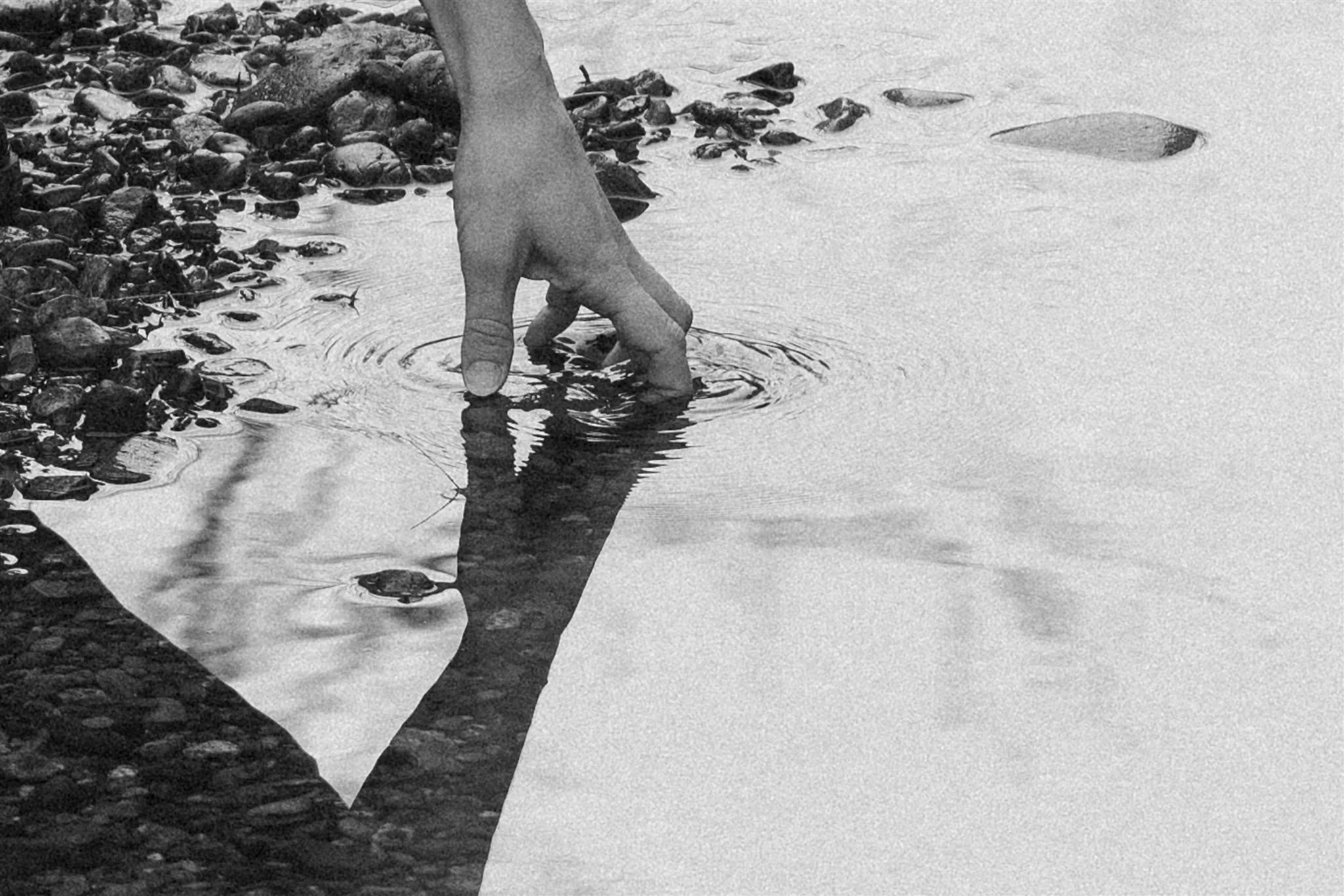
“You see things in a different way when you're a mother and you just relate to things in a different way. For better and for worse. I feel my world's expanded, and I think I feel more joy and I feel more happiness and I feel more curiosity through their eyes.”
Cariann: I was going to ask you about that in terms of your career because looking at your past work, you've guest-starred on some huge shows like Supernatural, iZombie… I would imagine it's more difficult to have to shapeshift into these different roles and different stories and dive in than spending like a prolonged amount of time with one character.
Has that changed for you? Do you still want to do that kind of work going forward or has that changed since having kids?
Debs: I want to do it all. I love everything. I love all types of TV and movies. And it's not even that I necessarily love a certain type of show or a certain type of genre or a certain type of character. I just love collaborating with people. I love being on set and working with a director and working with the crew and the other actors. And I don't personally find it tricky to shapeshift into different genres or characters because everything I do, I pull from myself anyways.
It's exciting for me because I get to fire some new neurons that I might not otherwise. But life is funny and life is serious and life is tragic and beautiful and all the different things. And so what I go through on a regular day, which is an absolute rollercoaster, I get to do in the same way with auditions or playing roles on set. I get to pull from each moment and each version of myself every day.
My showing up to set and doing iZombie one day might look different to my showing up the next day and doing the same role, just because we are constantly evolving and all you can do is show up that day and trust yourself and your instincts. I find it such a raw experience to be on set and be open and just collaborate and just present yourself as you are and what you've prepared.
It hasn't changed since I've had kids in that way. My creative juices have been a throughline my whole life. Having kids has probably done nothing but made me more hungry for it.
Cariann: Are there any types of roles that you haven't done yet that you really want to look for in the future?
Debs: I'd love to do a sitcom. I'd love to do a three-camera type of sitcom, obviously this is probably every actor's dream, to do a show like Friends or Seinfeld. Something like that would be just a dream come true. I love making people laugh.
I remember when I was a kid, I wanted to make people laugh and I wanted to make people think. It's so important to expand our horizons, our minds, our possibilities, and opportunities. I think when you see a great piece of art, you can do that. And laughter is just the most important thing ever because life is hard and I think if we can laugh and make light of it once in a while, then that's a gift I think I want to give to people if I can.
Cariann: I'm keeping my fingers crossed for a sitcom for you. That would be pretty awesome. Do you write at all or anything like that? Or have interest in directing?
Debs: I do. Well, I have a lot of interest in it. [Laughs] I can't say I currently do any of it. I am a Type B mom living in a Type A world. Most days I am just hanging on for dear life trying to, you know, pack snacks, wipe butts, do all the things that I have to do to just get through the day. I hope it's in the cards for me as my kids get a little bit older because I have so many ideas. But I also think it's kind of just the stage of life that I'm in right now. It can be tricky to make it all work.
Cariann: I think crafting a character that you have to play on screen is probably its own type of writing. Do you normally begin in one place when getting into character or does it change with every every project you do?
Debs: It's probably similar for everything, but again, because I try to be kind of a sponge with everything, I don't have one way of doing it. But I will say that the way I work is probably fairly similar from project to project.
It's basically just figuring out what my character really wants from this story we're telling. And then I also want to come at it from the angle of telling the story that the writer meant to write because that might be different than what I think the character wants. And then what would be most interesting to the audience and trying to meld those three things together. So, really trying to honor the character as a human being and their goals in life, their struggles, their anxieties, insecurities, hopes and dreams; trying to create all that, figure out where the story needs to go and why.
Cariann: It's so wild because even when you were talking earlier about how one of your favorite parts of acting is the collaboration of it and being in communication with people on the day—the people who wrote the story, the grips, the producers, all of these people—you don't think of acting as being this team sport, but it really is.
It's so crazy when you think about if there's that much thought going into one character, the fact that all of these people are coming together—it’s just a crazy kind of alchemy which is just fascinating and I have so much respect for it. I have so much respect for what you do. It's amazing.
Debs: Thank you. I've never heard it be called that, but you are absolutely right that it is fully a team sport. In the best way. And if you are a good team player, then you're going to want to work with everybody. So I want to talk to the camera crew and understand what my framing is and what their movements are going to be. If they've got a movement that they're going to be doing, I can play on that. The same with lighting. If you know what they're doing, you're in communication with everybody else, then you just all come together to create something. It's so cool.
But you're right. I think because we only see such a small portion of it when we're watching something, we only see what's on screen, it seems like an isolated thing.
That's part of the storytelling and the art, it goes to show how incredible it is for everyone to know their craft so well—whether you're behind the camera or in front of the camera—that you know how to create this entire world that people get lost in when they watch. And it's so not the experience that we have on set. It's just the coolest, coolest illusion. It kind of feels like I'm in a magic show.
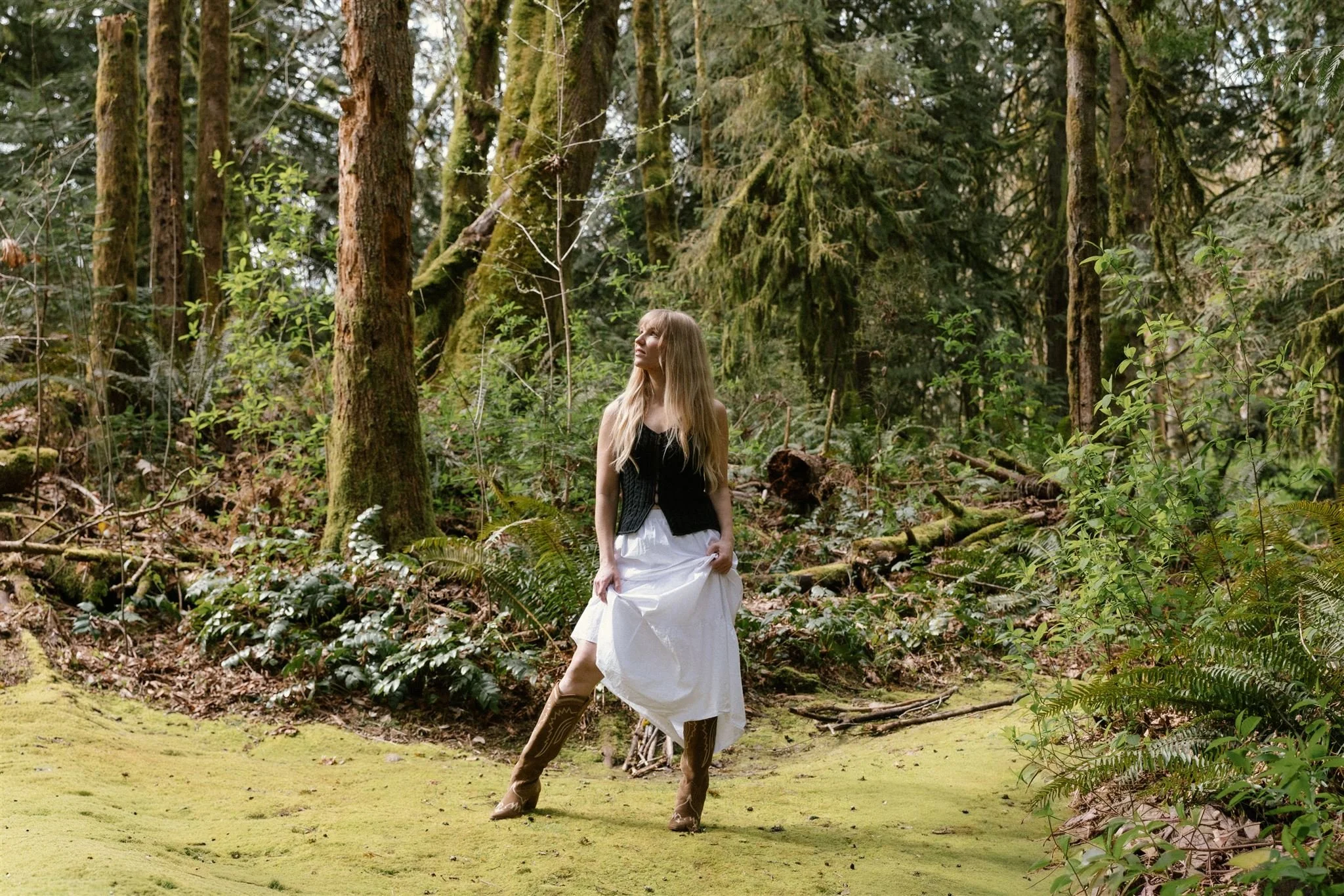
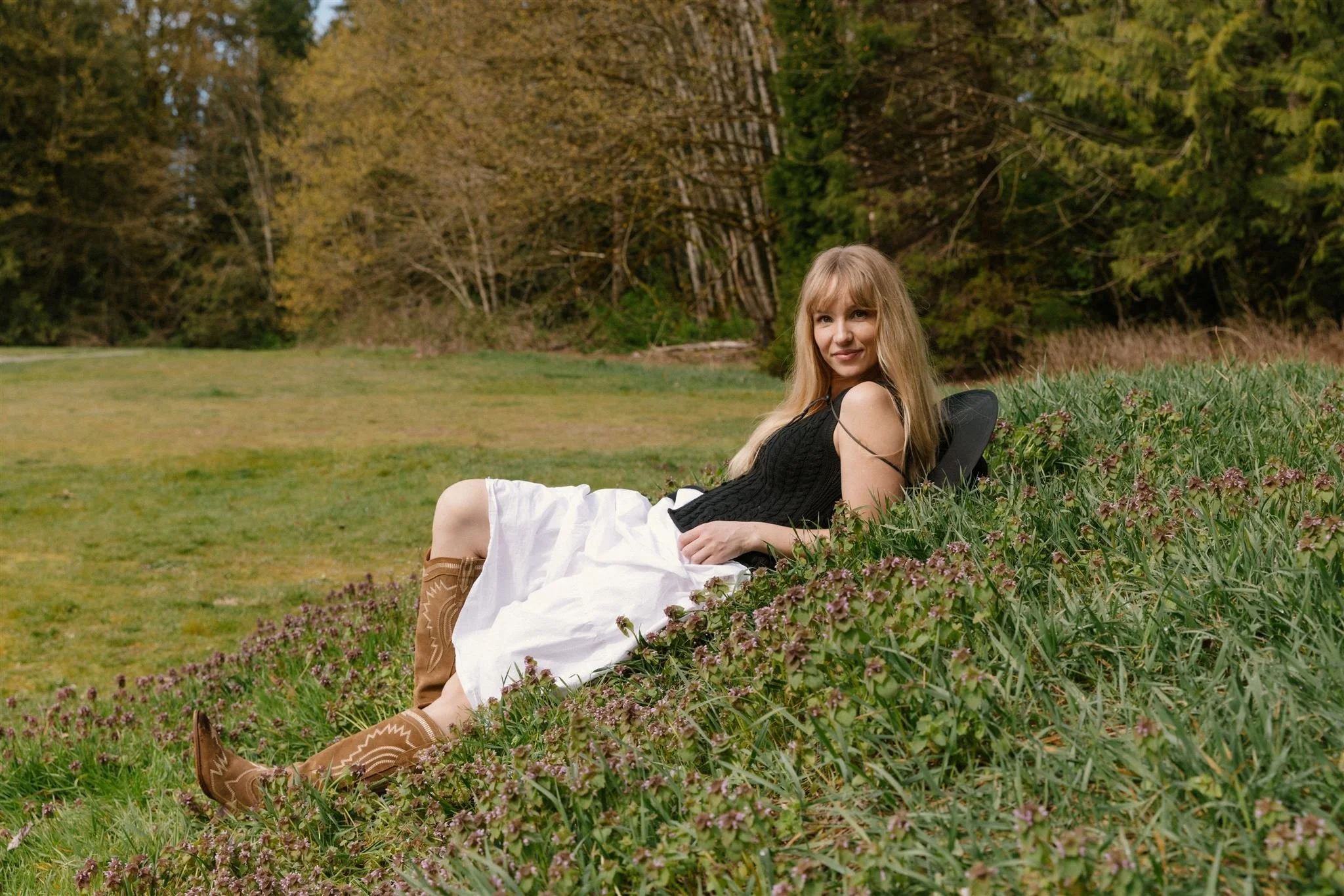
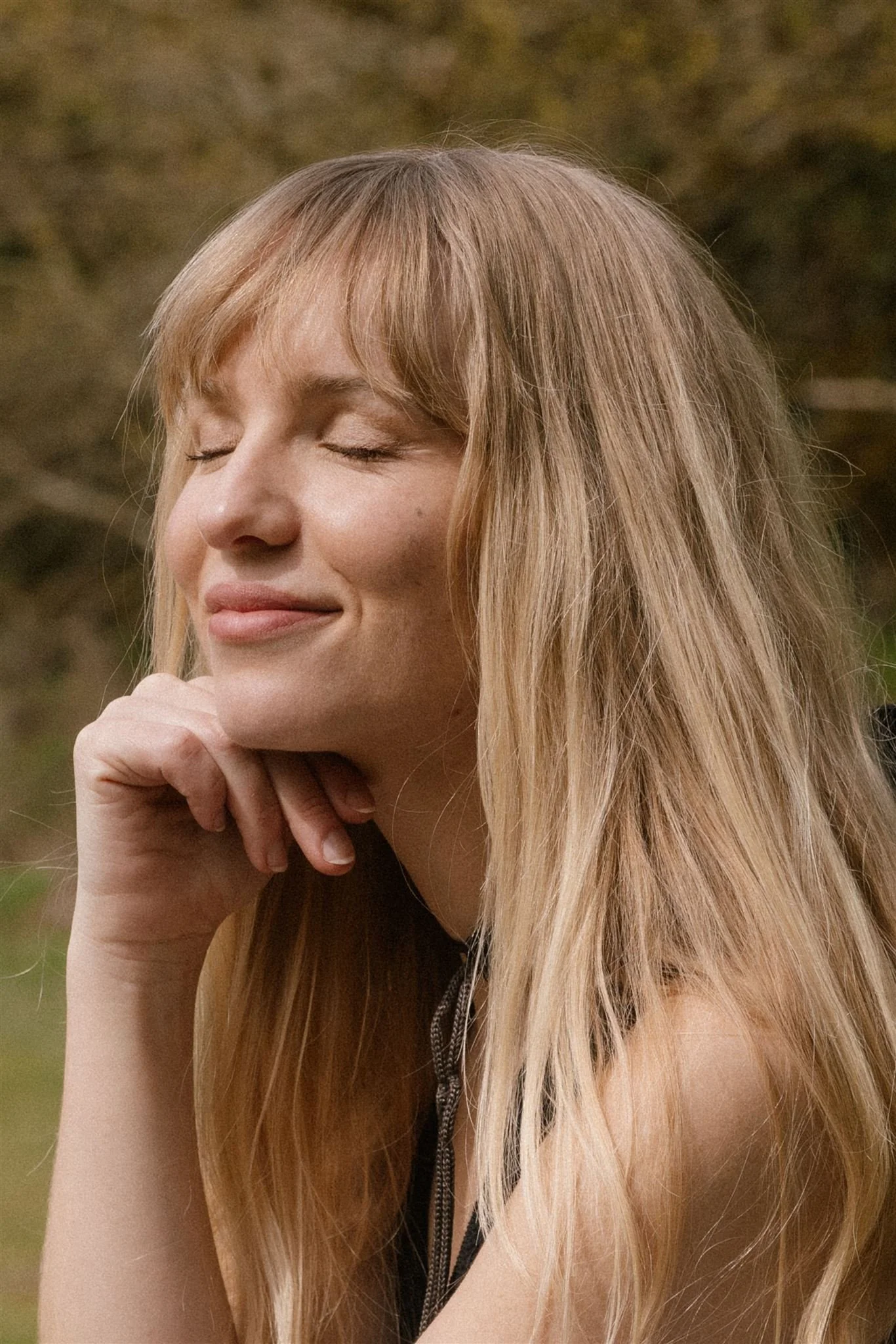
Cariann: And how much heart and skill and craft is servicing this fictional character that doesn't exist but could touch someone's life. I mean, what an honor to be a viewer and an outside person when I think about it that way. It's incredible.
Debs: Yeah, it's such an honor to be a part of, especially if you're a part of a project that really touches people in a meaningful way, but even if you're a part of a project that doesn't. I've done lots of things that are total escapism and aren't going to necessarily change the world, but man, is it fun. [Laughs] And it's an honor to be chosen to do it. It's an honor to have anyone care enough to watch it.
I can't imagine a better job. I feel so fortunate and so humbled to do it in any capacity.
Cariann: Kass and I were talking about this not long ago: I just don't think everything has to be at a prestige level to change the world. If something makes someone laugh, maybe that can change someone's world that day. And I think that's really beautiful.
Debs: Yes. Oh my gosh. All you need is something that day sometimes. You're right. Just as small as a smile to a stranger can be. Are we all getting emotional or is it just me?
Cariann: No, I am too. This is such a beautiful conversation. I really appreciate your openness and willingness to talk about this.
Kass and I are working on this creative project right now and it's just so wonderful to connect with people who are passionate about their craft. I'm just honored to get to talk to you. Yeah, thank you.
Debs: You too. It's humbling to have anyone want to. So, thank you.
Cariann: I won't take too much more of your time, but I did want to ask, is there anything that you're working on right now that you wanted to talk about or anything that we didn't cover that maybe you wanted to bring up?
Debs: So, I am doing something that I'm really excited about called Mom Com, and it's kind of funny. A friend of mine, her name is Aubrey Arnison—she is a director as well—she wrote this proof of concept short film and asked me to be a part of it. She wrote it before Die, My Love ever came out, but it's thematically very similar.
It's kind of about the behind the scenes stuff that moms do that nobody sees or appreciates. So, it’s kind of heavy in certain ways, but it also turns into a musical, it's like La La Land-esque but motherhood. It's so very, very cool and it's just something that was her passion project that I've also adopted as my passion project. [Laughs] So, we just finished the proof of concept and are starting pre-production for the feature.
Cariann: Are you producing as well?
Debs: Yeah, I mean on a small scale, yes. I've never produced before, so I'm doing what I can and I'm learning a lot on the way, but yeah, I’m technically producing.
Cariann: That's so exciting. I'm so happy for you.
Debs: Thank you. Yeah, it's fun. Really fun.
And then I've got an episode that I guest-starred in a new show, called Private Eyes West Coast, that's coming out at some point this year with Jason Priestley who was this nineties heartthrob—probably still my crush. He is the nicest guy in the world. That was really fun and yeah, I'm just hoping for more. I just want to work all the time because it's the most fun.
Cariann: I want that for you, too. Just hearing about it is contagious. So, thank you.
Debs: Thank you so much. I really appreciate it and I'm so excited.
This conversation has been condensed and edited for clarity.
Interview By Cariann Bradley | edited by Kass Ringo | design by Madeline Westfall | Photos By Paige owen