
Samantha Tan
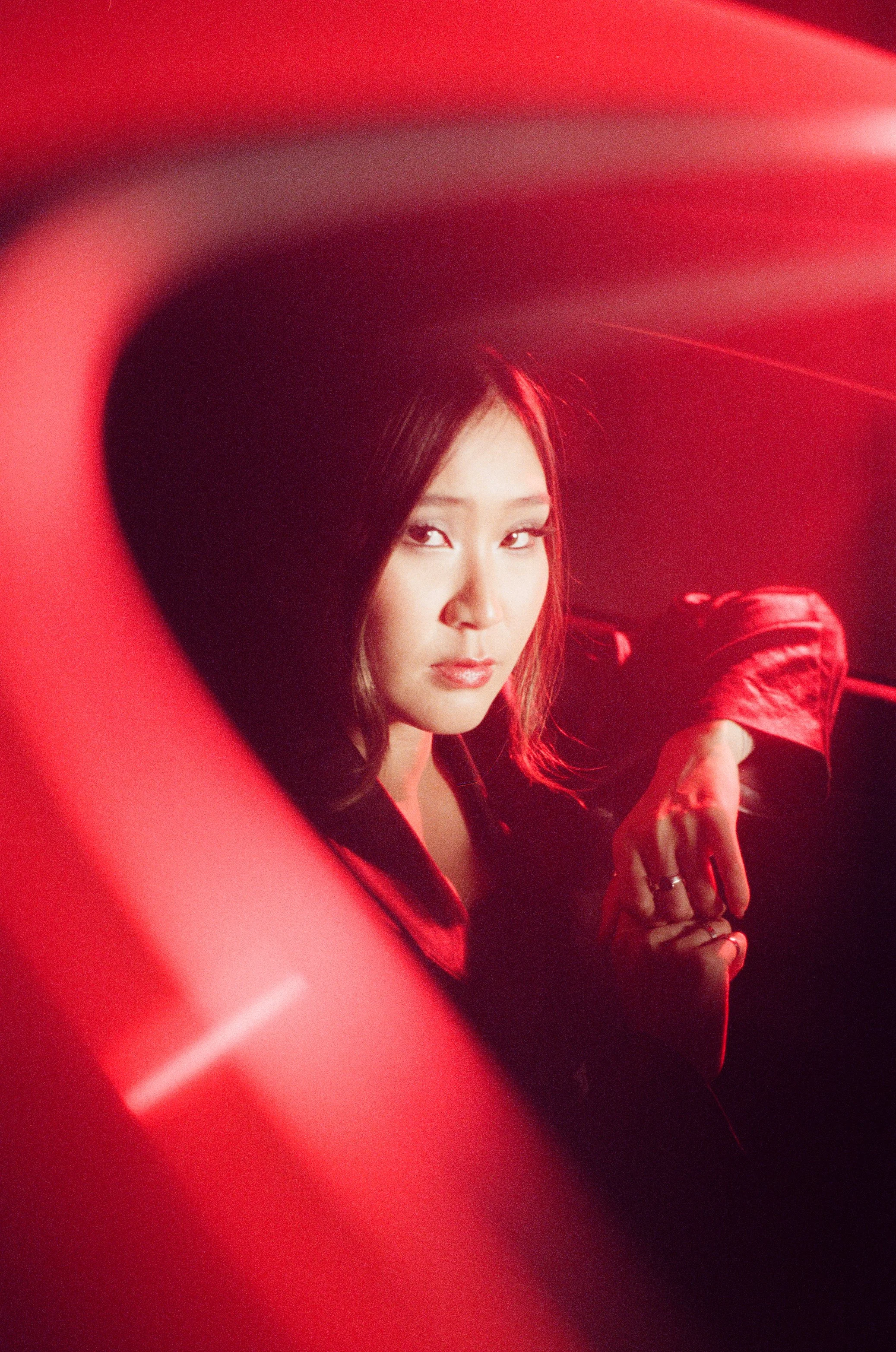
Samantha Tan
on a recent win, endurance racing, and reclaiming what's yours
I don't know much about motorsport. I mean that — I had to look up what GT3 meant before this conversation, and at one point I asked Samantha if twenty-four hours was just a nickname for Le Mans. (It’s not.) I was safe here, though, with the research and minimal knowledge I had, because Samantha is the kind of person who makes you feel like your questions are worth asking.
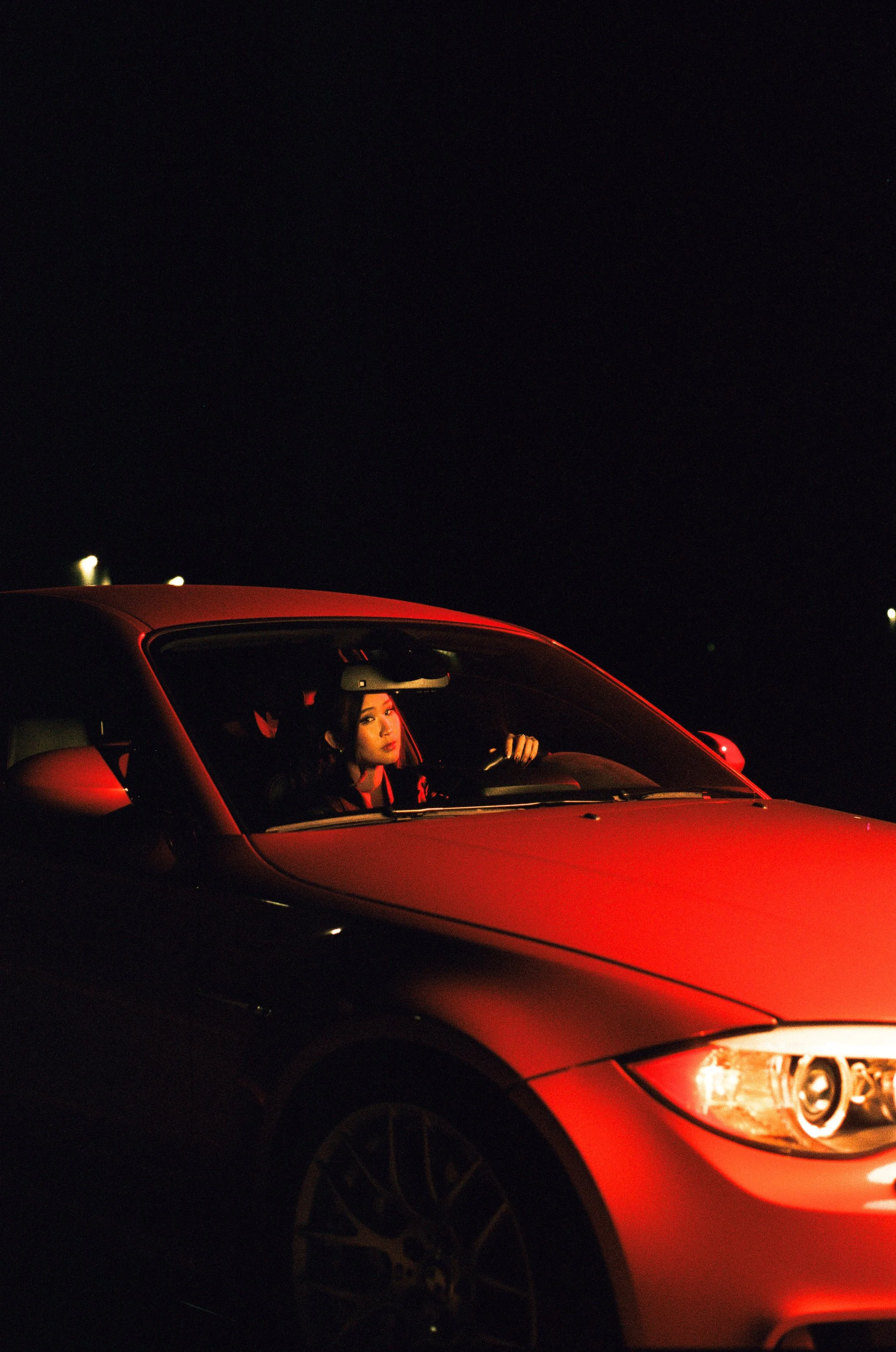
Samantha Tan is a racing driver and the founder of Samantha Tan Racing. She is one of very few Asian women in motorsport, and earlier this year she won her first race in Shanghai — her first race in Asia, her first race back in GT3, the first time she'd stood on a podium somewhere that felt like it belonged to her in a way she's spent most of her life learning how to claim. Another thing I didn’t expect was how funny she is, how direct, how easily she moves between talking about the logistics of racing overseas and music and the specific smell of her dad's old BMW on the way to school. Samantha contains a lot. I think that's the thing about women who’ve had to fight to be in rooms that weren't built for them — you end up with this whole interior life that deserves to be seen. Huge thank you to Samantha & her team for letting us take a glimpse. — Cariann, 2026 ◇
〰️
Cariann Bradley: You are our first athlete that we've ever interviewed. So, you will have to bear with me!
Samantha Tan: I'm honored.
Cariann: I don't know all the terms of the work that you do or your industry, but I'm going to do my best and I’m just excited to learn more about racing.
Samantha: For sure. ask away. I'll do my best to break it down into the most layman's terms.
Cariann: [Laughs] Okay, cool. Well, I saw that you had a win at Shanghai recently. What was it like to do the Chinese circuit?
Samantha: Oh, it was incredible. It's hard, honestly. A lot of people have been asking me this question recently, but it's hard for me to condense everything that happened that weekend because it was my first ever race in Asia—first race in China—and then it was my first race of the season in what we call GT3—which is the top class of sports car racing—which is the the class I've been racing in for the past four years. But this year I'm doing a class one below called GT4. So, not getting too technical into that, but just wanted to set the stage on that end.
First GT3 race of the season and, honestly, there was a big language barrier because I don't speak a word of Mandarin. So, communicating with my team was quite a challenge, but we got it done. We had a lot of fun. I was just taking it all in. But to win my first ever race there was quite significant to say the least, because for me personally, in terms of my culture and my heritage, it just meant so much for me to be there and to almost reclaim that part of me. But also on the representation side to stand up on that podium. There's not a lot of Asian women in motorsport, so to be that representation up there meant the world to me.
First win of the season, so a lot of feelings involved with this win and I hope it's the start of a lot of great success this year. But overall, it was incredible and it meant so much. It honestly is so surreal and it's still kind of sinking in. I've had so many people come up to congratulate me, not only outside of the track, but this past weekend, I was in Laguna Seca in Monterey and I had so many people stopping me saying congrats on the win in China. It just makes it feel so much more real to get that recognition. It's a very important milestone in my career for sure.
Cariann: I read the piece that you wrote for Timid magazine, which was so beautiful. When did you write that?
Samantha: I wrote that such a long time ago—I think it was around 2020 to 2022. [Laughs] I went in on that piece.
Cariann: I know! [Laughs] I thought it was so beautiful the way that you kind of synthesized growing up as one of the only Asians in the room, like in Canada in the town that you lived in, and then rejecting your culture for a little while. So, it just feels like you've kind of pulled it full circle now with the win in Shanghai.
Samantha: Full, full circle. And it feels like I'm relearning bits about my culture and where I come from and the history of it and just being much more integrated into the culture when I was there. It's just different to experience it firsthand, right? It just makes me want to learn even more. I do want [to start] to learn Mandarin, at least before I go back the next time. It does mean a lot for me especially, you know, in consideration of the fact of rejecting that part of myself when I was younger and trying to conform. And so, yeah, it's part of the journey, for sure.
Cariann: Was your dad with you in Shanghai?
Samantha: He wanted to be. He wasn't able to make it sadly, but he really did want to be there. He did stay up for the race. He was texting me when I won. He was so, so proud. It meant a lot to have his support in the background, but I wish he was there to experience it himself.
Cariann: I know you've mentioned how he was a huge influence on you wanting to race and your love of cars. Do you guys work together on a daily basis, you and your dad?
Samantha: Not on a day-to-day basis. I mean, we do talk a lot though. I feel like we do talk almost every day, almost every other day, I would say. He does try to make it to the races, but you know, motorsport is not his main business. He actually works in the food industry, so he does try to make time for it. He was at Laguna Seca this past weekend, which was special.
Cariann: I saw some pictures of you as a child in a car with your dad and they were so sweet. I was just going to ask you about an early memory you have with him and cars that comes to mind. Do you have anything like that or even something that's not related to cars? Is that how you guys first bonded, really?
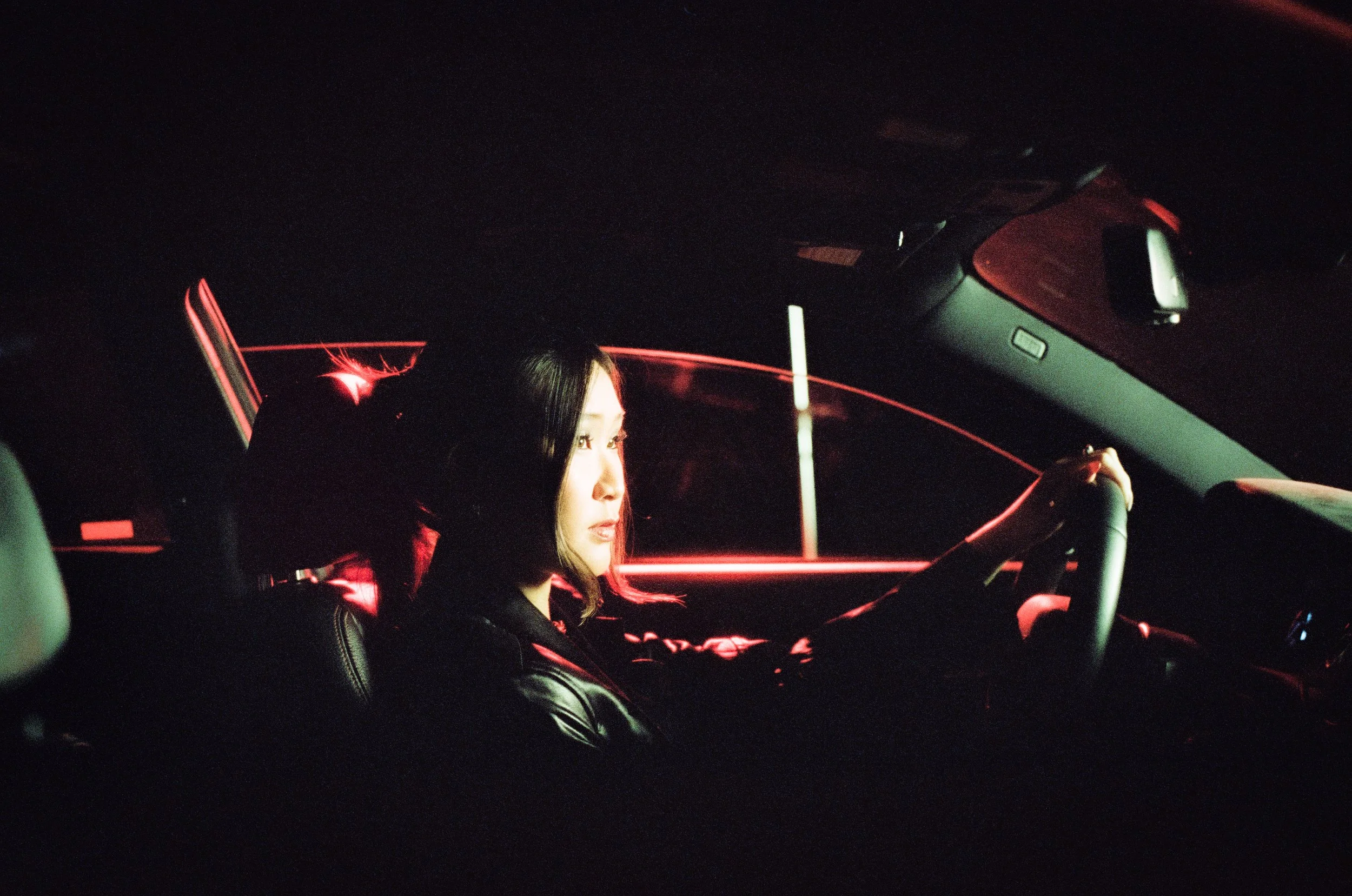
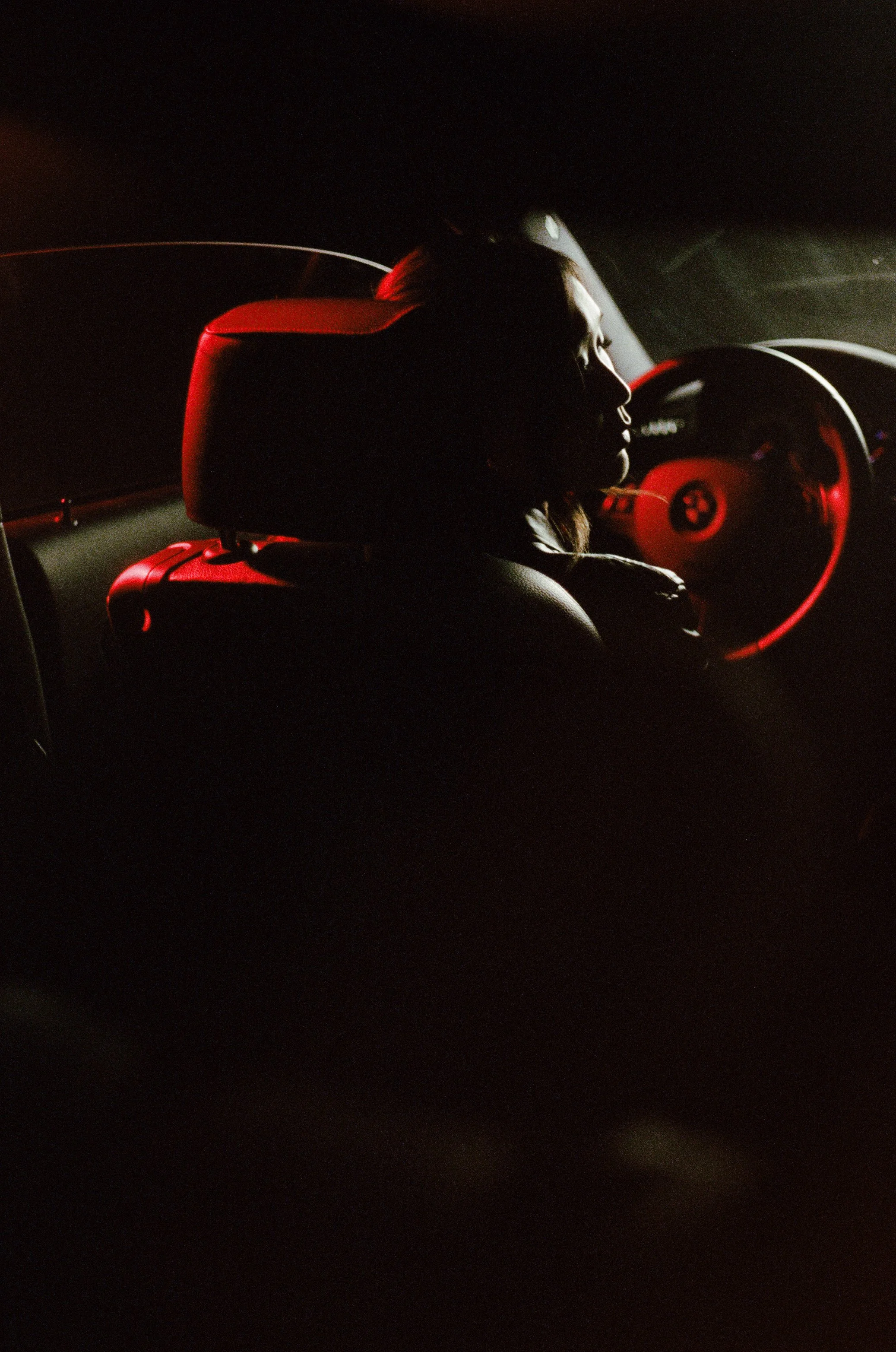
Samantha: Yeah, honestly, that's been our thing for as long as I can remember. I've said this in an interview before, but some of my earliest memories are of one of his first sports cars, like this BMW sports car that he had and he would drive my brother and I to school. I just remember sitting in the back seat and what that car smells like for some reason, like that fresh leather smell. I vividly remember him driving us to school and, for some reason, this specific crab apple tree that we would always pass by in the mornings. But yeah, a lot of visuals I would say. I remember the lights on the dash ‘cause it [was] one of those old cars, you know? It's like a glowing orange light on the dash.
What else did we bond over? I mean, he traveled. He used to travel so, so much. He still does, honestly, but I just remember every time he'd come home after being gone for a while, I would run down the hallway into his arms as a child, so excited that he would be home. Those are some of my earliest memories with him.
Cariann: Oh, so sweet! And he's also part owner of your team, right?
Samantha: Yes.
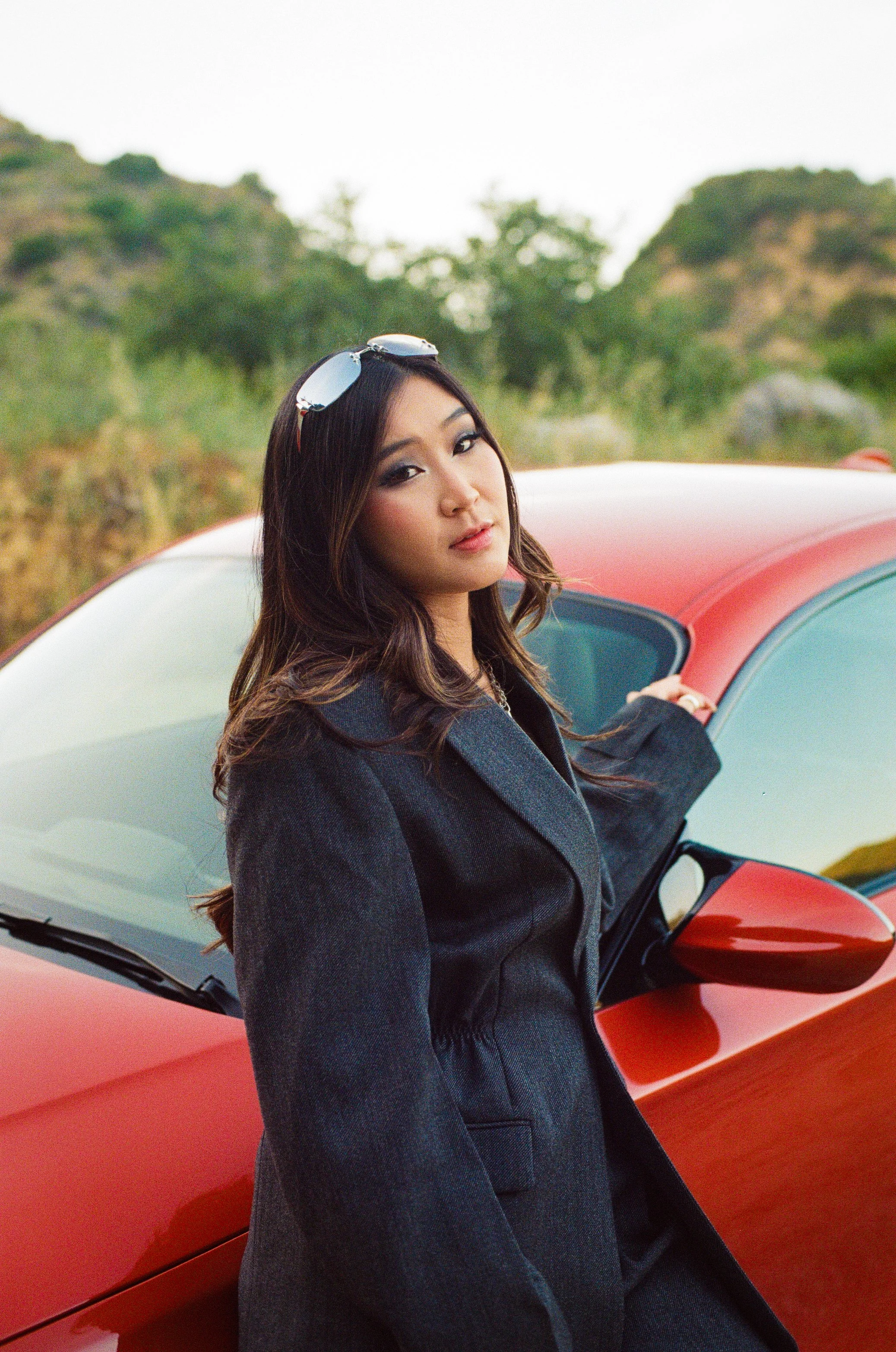
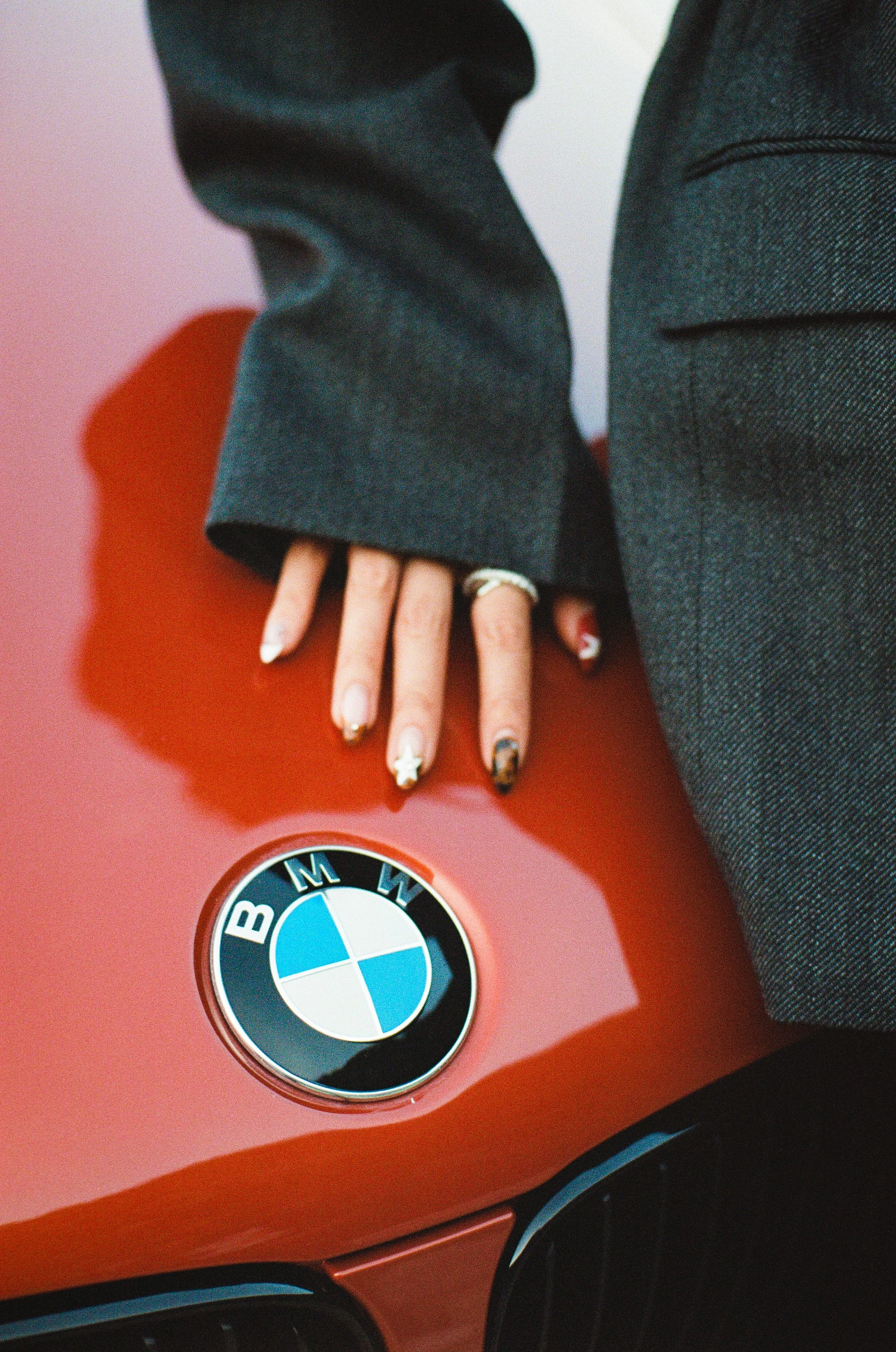
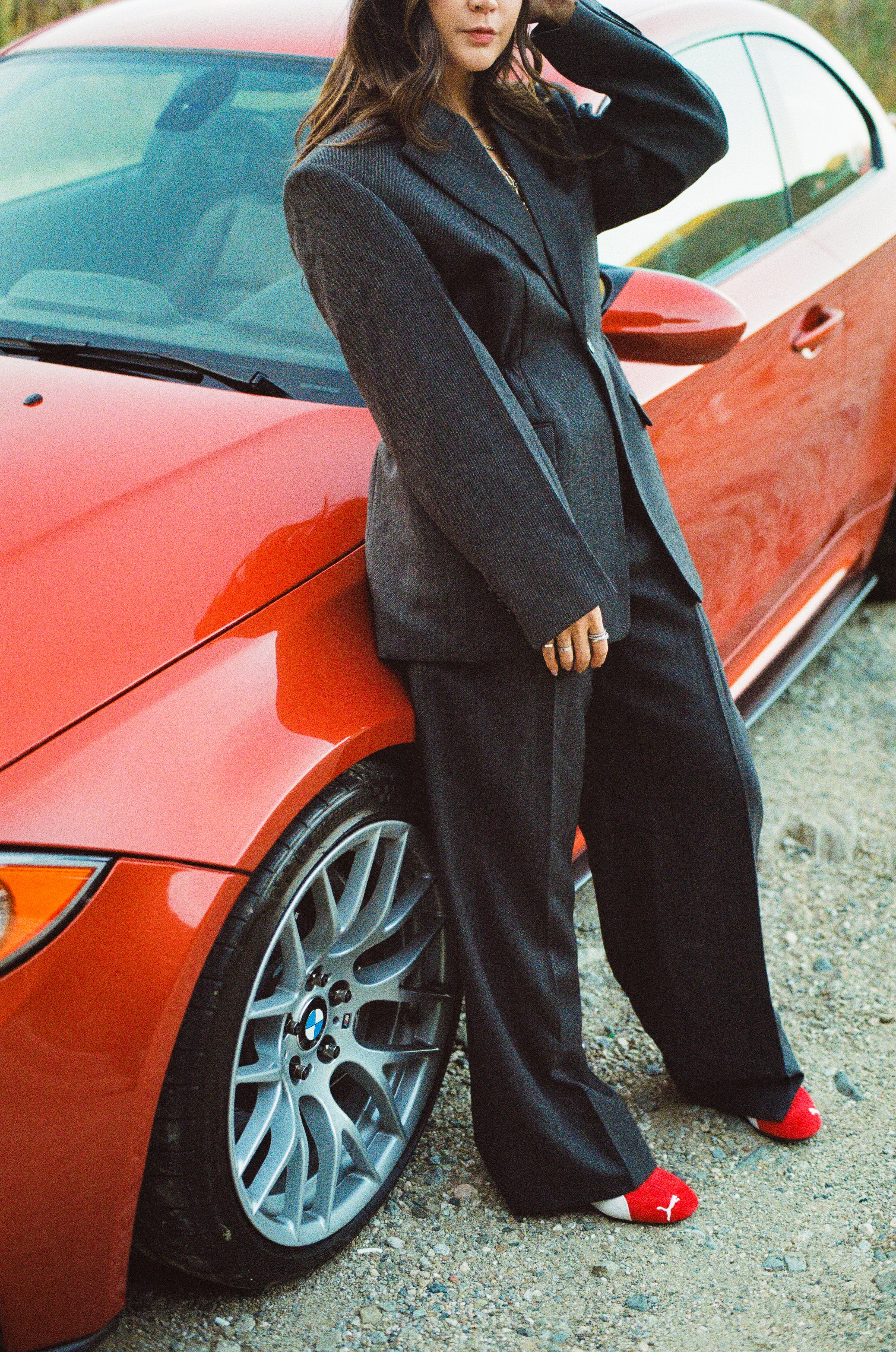
Cariann: You didn't just become a driver—you started and built your own team. What made you want to own and not just compete?
Samantha: It kind of came out of necessity, to be honest. For those that don't really know motorsport, I would say like 90-95% of drivers will rent a car from a team if they want to go race. So when I first started racing, we didn't come from a motorsport background and what I mean by that is nobody in my family ever raced. My dad didn't race, he was just very interested in motorsport and cars. When I first started racing, we had no idea what we were doing, but we did rent a car from a team to start this journey into motorsport. And you typically prepay for the season and I remember it was, I think, my second or third season of racing and we paid this team to support the car—to do all the transport and whatnot—and after the first race of the season, they went bankrupt and they had no way of paying us back. So, they basically were like, "What if we give you the race car?" And we're like, "What are we going to do with this race car?" [Laughs] But we accepted and thankfully there was another Canadian team that was in that series that we ended up just partnering with for the rest of the season and they were able to essentially take care of the car and everything.
But that was the initial spark or start of Samantha Tan Racing that came out of necessity. But then it kind of morphed into actually, seriously making it into our own race team. Mostly because we wanted more control over the operations and the logistics. Being able to be the main decisionmaker was actually such a big part of it. I am a control freak, slightly. I do like the fact that my voice holds weight in decision-making, and not only on, you know, the setup of the car, but the strategy calls during races, everything in that realm.
Cariann: That's cool. I wouldn't have even thought about all of that. What's something that goes into running a race team that no one really prepares you for or that you didn't know before you kind of got thrust into it?
Samantha: So, so, so much. I mean, I was still in college when we founded the team. So, at the beginning, I focused more on the driving duties than on the managerial duties. It wasn't until much later, like after I graduated college, that I started taking more of a central role. But definitely the logistical aspect of organizing the crew, all the crew, making sure that the crew has team synergy, the transport of these cars. When we were doing overseas races, we had to organize shipping containers for these kinds of things. It's a lot, a lot of challenges. It's been a crazy journey with this team, for sure.
Cariann: I bet. I can't even imagine the work that goes into that day-to-day.
Samantha: I remember at our peak, I think in Dubai, when we were running two cars we had like thirty-five people that we had in Dubai and it was also during COVID. Having to organize all of the documents and making sure everybody was going to make it there on time, the car was going to make it there on time, and then logistical aspects are always a challenge, but I would say that was probably the most overwhelming.
Cariann: Yeah, because not only are you helping with that, but you also have to get behind the wheel of the car and do that part, too!
Samantha: Yes! But thankfully, I have an incredible team behind me and I'm able to delegate. I think a big part of learning how to run a team was learning how to best maximize everybody's abilities and specialties—just asking for help, I would say.
Cariann: Yeah. I mean, you called yourself a control freak. I would say you have a high standard of excellence. That's what I say about myself. I know exactly how I want something to be done, so it can be hard to delegate to someone else.
Samantha: Yeah. And I always tell people if you want it done right, you got to do it yourself, you know?
Cariann: Sometimes it trips you up when you have too much to do. I also wanted to ask—a lot of the racing that I hear about nowadays is F1. I feel like it's massively televised and glamorous but it's very, very different from endurance racing, which is what you do. Do you think you could talk about what some people don't know about endurance racing and how it differs?
Samantha: Yeah. So, F1 is the pinnacle of motorsport. It's what a lot of drivers, I would say most drivers, aspire to achieve once they get into motorsport. It was also my dream when I first started, but for people that don't know motorsport, it's one of the most expensive sports to get into. And to break into F1, you have to start when you're three or four years old in carting. A lot of the drivers that are there today started when they were that young and just you need those years of experience in carting all the way up—you need the connections in the industry. You need the funding.
Very early on in my career, I realized that it was not going to be a viable path for me as somebody that started when I was sixteen, which is, honestly, relatively very late for a lot of race car drivers. As somebody with no motorsport background, I didn't really have the foundation to go that path, but ended up in sports car racing. Honestly, I really love it. But that's why we ended up going this path of endurance racing. And now my goal is the 24-Hours of Le Mans, which if anybody has watched Ford v Ferrari, it's the race that's in that movie.
Endurance racing is essentially races that are anywhere from four hours to twenty-four hours long. And it's not just me in the car for twenty-four hours, I have co-drivers. That's the main difference between, I would say, F1 and endurance race—aside from the cars being vastly different—F1's just the one driver and those are sprint races—I'm pretty sure they're two hours long—one driver format, but then in endurance racing, you have teammates and I call it a relay race, we hand the car off to each other. The maximum amount of time I'm in the car is anywhere from two to three hours-long at a time. And how many times I get in the car is also based on the strategy aspect. So, the car runs for the full twenty-four hours, but we do need to refuel. We do need to change tires. During that period of time, sometimes we'll also do a driver change, but it really just depends on what's going on on track.
I would say endurance racing is one of the purest forms of motorsport, because it's a type of racing that doesn't just rely on a single driver. The car needs to perform, the car needs to make it to the end of the race because these are long, grueling races. The crew has to be perfect. It’s a balanced weight between driver, crew, and car. The crew needs to nail all these pit stops and everything needs to be done essentially flawlessly. I always say that when we win an endurance race, they're sometimes the most boring races because nothing goes wrong. [Laughs]
I love sports car racing. My heart is definitely in it and I do think there’s definitely more of a longevity in sports car racing and endurance racing than there is in F1.
Cariann: When I had read some pieces where you had mentioned the 24-Hours of Le Mans was your pinnacle. That's your goal. And I was like, is twenty-four hours just a nickname for it? [Laughs] But it's actually twenty-four hours.
Samantha: [Laughs] It's actually twenty-four hours. And yeah, they're so crazy. I mean, getting in at like three in the morning, sleep deprived, having to go all out. It's definitely a time. Choosing the switches between you and co-drivers and all the things you do to the car. Those are calls that you make and you decide.
Cariann: Do you ever contribute to strategy?
Samantha: Yes, I definitely play a role. Again, there's so much intentionality between who I'm choosing to be on my team and who is making the calls. That's why we started this team. But as a driver during these endurance races, you need your focus to be mainly on the race. My dad loves to play strategist. He's actually great at that. But it's basically between my co-drivers, my engineer. We often have a dedicated strategist, but we're making these calls on the fly basically because over the course of twenty-four hours, there's so much that can happen and you really need to be on top of it. When you're a sleep deprived driver that needs to try to sleep, obviously it's a bit harder to make these kinds of decisions, but I have full faith in my team and the people that are behind me.
Cariann: It's so fascinating, too—I don't know, maybe this is just me—but when I think about something needing to be done right, I think a woman needs to do it. But in motorsport, it's a predominantly male industry. I know you've talked a lot about that and how strength and femininity aren't mutually exclusive. You talk about beauty and how you have a full beat under the helmet which is iconic, but are there ways that your team works differently because you prioritize wanting to be a woman in this field?
Samantha: I would say there's a higher level of respect, if that makes sense. I've just noticed working with some teams is that, and partially why I started my own team, when I—again, everything to do with decision-making, right?—when I would express my opinions, I didn't really feel like people were taking me seriously, you know?
Cariann + Kass: [Nod fiercely]
Samantha: I didn't feel like they were really respecting my opinions and were never actually going to make a change even though I'd be very direct. They just wouldn't listen. I definitely think prioritizing that with my team is just like… there is that mutual respect and there is that higher level of support. We all uplift each other. And I think that’s hard to find, I think it's really hard to find that kind of group of people within motorsport currently. Honestly, I feel like it's such a cutthroat industry, but on top of that, we still have so much work to do in terms of normalizing women in motorsport. I still feel like, even with the success I have now, there's still times where people just brush off what I have to say, you know?
Cariann: I feel like that about… everywhere. It’s just impossible how much women can be underestimated. And so, to think about the work that you do in motorsport and how it's so much more male-dominated, I just can't even imagine what that's like.
Samantha: It's definitely changing, but there are still times, even today, where I feel like yeah, people are just invalidating my successes and invalidating my opinions. Even recently, I was at a track day and the instructor had no idea who I was and that's fine, but I remember him asking me in a very derogatory tone—because I was trying to go out on track—he was like, “Have you ever been to the track before? Do you know where the track goes?” And I was like, why are you assuming?
Cariann: Yeah!. And you have mentioned that in the past, people have thought you were a grid girl. Like, you were a model and not a driver.
Samantha: And I'm in full driver suit! That's definitely not happened recently, but at the start of my career, yes, that happened more often than not. And on the one side, it is a compliment, but at the same time it's like, I'm here as a driver! Again, it just wasn't very normalized to have women on the grid, generally, as drivers back then. It’s definitely changed a lot, but definitely annoying.
Cariann: Have you done work with young drivers in any capacity? Like people that are coming up or getting to talk to like young women who want to race?
Samantha: Yes, I often have a lot of girls come up to me during race weekends that are just breaking into the sport, not only as drivers, but who are just trying to work within motorsport. I have a lot of conversations regarding things like, “How do you break into the industry? What's the best way to get opportunities?” I did work with a very young girl in carting last year named Aylee [Létourneau] in Montreal and she felt like a younger version of myself. So, it was awesome to work with her.
I mean, I just hosted my very first all women's track day this past March actually, for International Women's Day and that was very, very special for me.
Cariann: That's so cool!
Honestly, I feel like it's such a cutthroat industry, but on top of that, we still have so much work to do in terms of normalizing women in motorsport.
Samantha: Got to bring people into my world. We did a Pilates class in the morning and then a full track day and then a private dinner. Just a little bit of an insight into what goes into the day-to-day for me. But just creating those kinds of spaces that I didn't have when I first started motorsport is so, so meaningful to me.
But yes, to answer your question, I do my best to talk to a lot of the girls at these tracks. This past weekend, there were so many, which is so encouraging to see the interest and how much the industry has changed over the past few years. And I think F1 has played a major role in that. It's still growing. Even last night, I coincidentally stumbled upon my university car club hosting a car meet near my apartment and I was telling one of the girls, "There's so many girls here, this is so new to me to see." It's just such a cool feeling that the industry is changing and the culture is changing. [Even if] there's still a lot of work to be done, it is shifting.
Cariann: You should also feel proud that you've done some of the work to kick that door down as well.
Samantha: Thank you.
Cariann: I think it's cool that you didn't start really until you were sixteen, right? So, to me that sounds very young, but I know a lot of people in racing start much younger, and it's kind of nice to know that maybe it's not too late if people want to get into this at a certain age, you know?
Samantha: I think you can definitely get into it at any age. I have a girlfriend who started literally when she was, I think, twenty-five, but she often talks a lot about it on her channel. Her name's Hana [Burton]. Especially in sports car racing, it's something that you can get into at any time. I mean, the learning curve will be steep, I will not lie, but it's definitely doable and I encourage everybody to come out and try it at least once.
Cariann: It would just be cool to go out on the track and learn more about it. So, what's next for you?
Samantha: May is actually a little bit of a break for us. We never have breaks. [Laughs] This is very rare. But we have two races in June. We have one at the beginning of June called Mid Ohio, it's a four hour race, and then we have one at the end of June in New York at a place called Watkins Glen. But in between that I am headed to Le Mans, I believe—fingers crossed—not to race, but to be there as a BMW ambassador to help cover the race. I did have the opportunity to race there last year in a support race, so, it was actually my first time ever driving the track, and I literally got goosebumps the first time I drove it. I was like, "Oh my god, I'm here. I'm on track. This is crazy.” I hope to be back driving there. Again, it's a very, very incredible experience to be there and witness it firsthand.
Cariann: That's amazing. Is that something—sorry if this is an ignorant question—but is Le Mans something you have to qualify for or get to a certain point to get into?
Samantha: Yes. You have to be invited to go. There's a specific set of teams, like it's not something you can just enter. You have to be affiliated with a team. It's better if you're affiliated with a manufacturer—manufacturer meaning BMW, Ferrari, McLaren, etc.—but you do have to be invited to go. You have to be good enough to go. There are some racing series where if you win the championship, then you get an invite to Le Mans.
Cariann: I was going to ask you if you get there and you're sitting on the grid for the 24-Hours of Le Mans, what would that look like? What do you think you would be thinking about in that moment? But since you've already ridden the track… I feel like I would have an out of body experience, honestly.
Samantha: Yeah, I mean, like I said speaking about the experience last year, being there for the first time, it was a very surreal experience and it went by so quickly. But I do very vividly remember being in the car on the track for the first time and getting goosebumps, getting chills, and being like, “I am here. This is so crazy.” I mean everything in my career has been basically trying to step closer toward that goal of being at Le Mans. Everything has been intentional, from being in sports car racing to starting to do endurance races globally, to the different formats and being affiliated with BMW as well.
So, to finally be there, how do you even put that into words? You've been like dreaming about this thing for the longest time and then you're finally there and it's like, “Oh my gosh, we made it,” right?
Cariann: It’s like, what's at the mountaintop once you get to the mountain top?
Samantha: Yeah. Such a surreal experience. Truly a dream come true. And hopefully we'll be there for the real twenty-four in the near future.
Cariann: My fingers are definitely crossed for you. So, who are you when you're not racing? What does a restorative day off look like for you? What's Samantha love on a day off?
Samantha: Yeah, I'm very much looking forward to this weekend because it's like my first weekend off in a very, very long time. The back and forth between Shanghai and here was a lot, to say the least, but a restorative weekend—I try to do a lot of wellness things. There's this cold plunge sauna place that I like to stop by. Cold plunges are very painful, but they're so good for recovery. Sleeping in, unpacking my bags, some really mundane stuff, honestly. [Laughs] Like doing my laundry.
Cariann: Getting the to-do list taken care of.
Samantha: Which is still, in a sense, like being productive. There are definitely days where I'm like, okay, I need to slow down and just not do anything, like rot on the couch, watch reels, I don't know, watch TV for the whole day and actually do nothing. But I don't know. I feel like I'm always on the go and I always need to be doing something at the same time. I do love playing piano. It's blurry [in the background], but I have a piano back here and I am trying to learn some new pieces. So, that's kind of like my me time, for sure.
Cariann: Very cool. How long have you been playing?
Samantha: Since I was like five years old.
Cariann: Oh my goodness!
Samantha: Yeah. I often think about if I was not a race car driver, what would I be doing? And I could have gone the concert pianist route because I was classically trained ever since I was five years old. I stopped once I went to college because I ended up pursuing economics instead of music. But music has played a very big role in my life.
Cariann: Wow, that's beautiful. We talk to a lot of musicians on l’Odet and it's so fascinating hearing about that creative process and that outlet, but I would imagine it's different when it is your creative outlet and it's not your job, you know?
Samantha: Yeah. Actually, in the middle of my college career, I did have that identity crisis of feeling lost, being like, I don't think economics is my thing. I am also really big into art. I love drawing. It used to actually be my race ritual to draw little tattoos on myself before I got in the car and that's why I have tattoos now. [I] took one course in college during the summer just for fun, but I was seriously debating pivoting into graphic design as a career and then I was like, do I want to be a starving artist?
I did not end up going that route. [Laughs] I did not. I was going to lead into something else there, but I lost the train of thought. Hopefully it comes back to me. [Laughs]
Cariann: I've been thinking lately that all the women I know are just so incredibly multifaceted. There's not just one thing they're good at. There are new things just constantly pouring out of them artistically, creatively, situationally, like in relationships. I just feel like, I don't know, lately I've been feeling like women contain so much. And is it because we're born with the pain built in? I don't know. Women are just so magical to me.
Samantha: Me too. I love that we have so many different hobbies and I also think, like you said, built on the pain aspect. I feel like in so many spaces we have to do so much more. We have to be so much more multifaceted to be taken seriously, you know? I've met so many incredible women recently, and I do believe that we are in this time where there's so many cool role models, female role models I have now that I feel like I didn't have growing up. And I'm just so inspired, especially like just watching the Olympics recently. It's amazing.
Cariann: It's amazing. I know! Watching Alysa Liu and Eileen Gu—I have photos of them saved on my phone and I'm like, I want to be like them. I want to be that motivated and that inspired. Eileen specifically—her sense of self and poise and hearing her in interviews was just so inspiring.
Samantha: Yes, she's very well spoken, so eloquent, and I love her mindset on how she basically, I think she talked about, almost rewiring your brain, being so introspective to the point where she’s developed this sense of self and a way of thinking that it's like one-hundred-percent her. And I admire the way she speaks.
Cariann: Me too. I talked to my therapist about it and how she had been talking about neuroplasticity—
Samantha: That was the word!
Cariann: And how you can decide what you think and how you think and then what you do. You decide. And I'm just like, women are so magical. I love it.
Samantha: Oh, actually I remember what I was going to say before! We talked briefly about creative outlets and why I didn't go the artist route—I came to that point of like, I wanted to keep it as a passion and as a creative outlet. I didn't ever see myself forcing myself to hit a deadline in terms of creating something, you know, and art is just so personal to me. I would never want to put a deadline or force myself to be creative, if that makes sense. So, I didn't end up going that route, but now I have so many little creative outlets for me and my me time.
Cariann: That's admirable because, you know, today I feel like so many creative people I know are just constantly urged to monetize their creative passions and it can be difficult. And for the record, we don't monetize l’Odet because we're trying to keep this site fun and a creative outlet. [Laughs]
Samantha: We love that! What does l’Odet stand for? I know this is digressing, but what does l’Odet mean?
Cariann: So, Odet is a river in France and so l’Odet is “the Odet river” in French. The original platform that I made was called Midnight Woman, and it was this website where people could submit anonymously about experiences that had happened to them—it kind of came out of the #MeToo movement—and Midnight Woman is based on a French ghost story. That's kind of how they connected: when I created l’Odet to have interviews with people, I wanted it to carry that kind of theme.
Samantha: I love that. I love the meaning behind it.
Cariann: Thank you. And I don't want to take too much more of your time. I'm so glad that you have restorative time off coming up, it's very important.
Samantha: It’s very important. I always try to say and remind people that rest is just as productive, you know?
Cariann: Yeah. But it's really hard when—me and Kass both deal with this—it's like we know we need to rest, but when we don't do something in a day, we're really hard on ourselves about it.
Samantha: I know. But I also am trying to be so cognizant of measuring worth by productivity. I talked to my therapist about this a lot. [Laughs] But she's like, "But you seem so happy when you are doing everything you possibly can be doing." But I'm like, yeah, but it's also hinging on this aspect of like, oh my god, I need to be productive to be perceived as valuable, but it is not true. [Laughs]
Cariann: I know. Yeah, it's really difficult. I talked to my therapist about that same thing and because she's like, "How much will be enough?"
Samantha: Like, when does it end?
Cariann: Right.
Samantha: But I think it's also characteristic of very ambitious people.
Cariann: That's true.
Kass: [Finger snaps on mute]
Samantha: She's like, "Yes." [Finger snaps] [Laughs]

This conversation has been condensed and edited for clarity.
Interview By Cariann Bradley | edited by Kass Ringo | design by Madeline Westfall | Photos By DIMitrI TZOYTZOYROKOS & ShILOH KACHMANN